5 Fitness Tracker Features You're Probably Not Using (But Should)
Quick Answer: Most fitness trackers include several genuinely useful features beyond step counting — stress tracking via heart rate variability, workout-specific auto-detection, silent alarms, guided breathing sessions, and body battery or readiness scores — that go unused simply because they’re buried in menus most people never open.
The hardware you already own likely does more than you’re currently using it for.
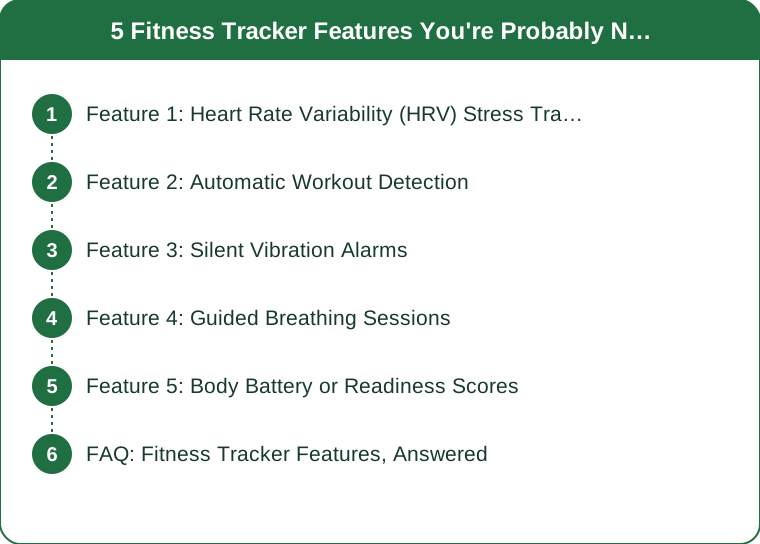
Feature 1: Heart Rate Variability (HRV) Stress Tracking
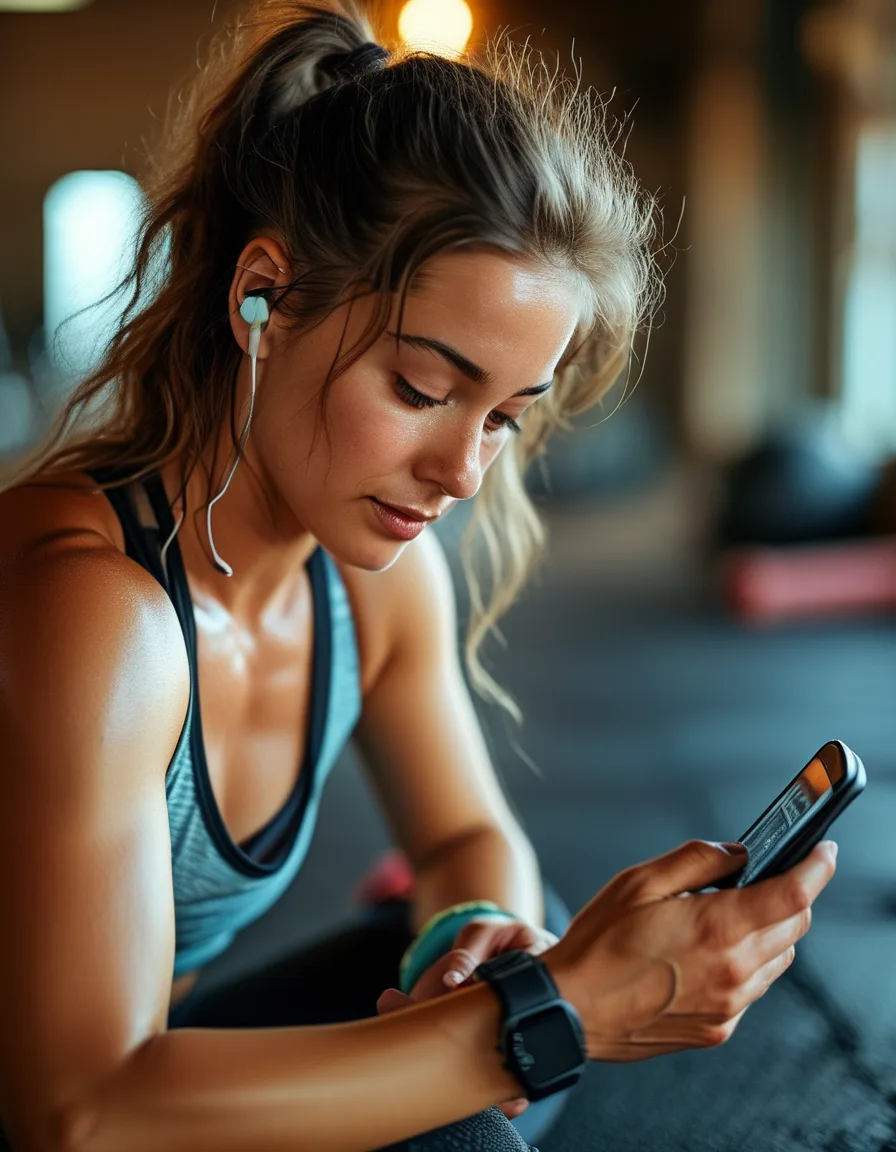
Most modern trackers passively monitor heart rate variability throughout the day and translate it into a stress or readiness score, giving a data-backed signal for when your body is under more physiological strain than usual, even on days you don’t feel obviously stressed.
Checking this score before deciding workout intensity for the day is a practical way to use it rather than just glancing at the number out of curiosity.
Feature 2: Automatic Workout Detection
Many trackers can automatically recognize when you’ve started a walk, run, or bike ride and begin logging it even if you forgot to manually start a workout session, which quietly closes tracking gaps that would otherwise go unrecorded.
This is usually toggled on by default but worth explicitly confirming in settings, since some trackers ship with it off to conserve battery.
Feature 3: Silent Vibration Alarms
A vibration-only alarm worn on the wrist wakes you without disturbing a partner sharing the bed, and many trackers also support smart wake windows that nudge your wake time to a lighter sleep phase within a set range, which can reduce grogginess compared to a fixed alarm time.
This feature is frequently overlooked simply because people keep using their phone alarm out of habit rather than switching over.
Feature 4: Guided Breathing Sessions
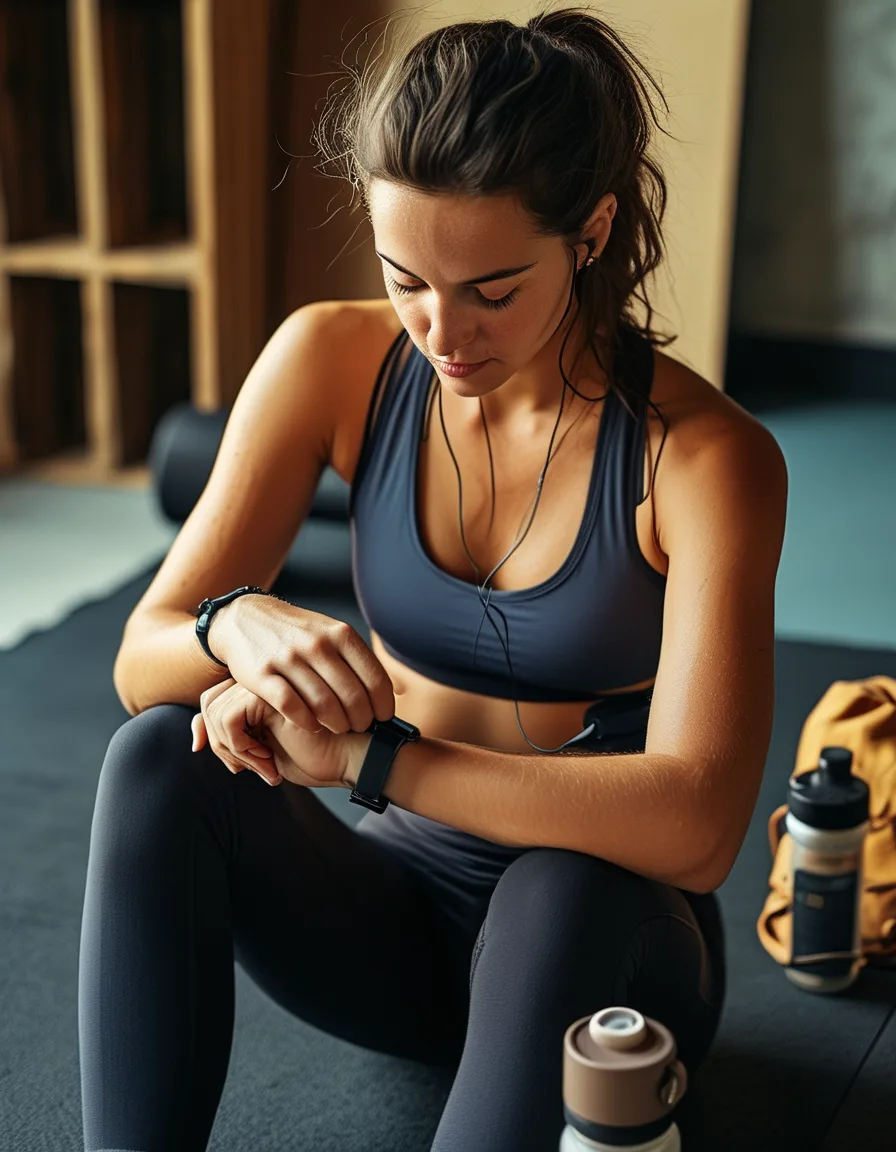
Built-in breathing exercises, timed to your current heart rate, are designed to actively lower stress in a couple of minutes and are backed by reasonable research on paced breathing’s effect on the nervous system, making them a genuinely useful tool during a stressful moment, not just a gimmick feature.
Most people never open this menu because it’s not part of the main dashboard view, but it’s usually accessible in two or three taps once you know where to look.
Feature 5: Body Battery or Readiness Scores
This composite score, which combines sleep quality, HRV, and recent activity load into a single daily number, gives a more complete picture of recovery status than any single metric alone, and is particularly useful for deciding whether to push a hard workout or scale back on a given day.
Treating this score as a rough guide rather than an absolute rule works best, since it’s a useful data point alongside how you actually feel, not a replacement for your own judgment.
FAQ: Fitness Tracker Features, Answered
Do these features drain battery significantly faster?
Continuous HRV and stress tracking do use somewhat more battery than basic step counting, typically reducing total battery life by a modest amount, though most trackers are still designed to last several days even with these features active.
Are stress and readiness scores actually accurate?
They’re reasonably reliable as a trend indicator over time rather than a precise daily measurement — the value comes more from noticing patterns and unusual dips than from trusting any single day’s exact number.
Do I need a paid subscription to access these features?
Most basic versions of these features are included with the tracker itself, though some brands put more detailed historical trends or advanced insights behind a subscription tier — check your specific device’s feature breakdown.
TL;DR:
- HRV-based stress and readiness scores help guide daily workout intensity decisions
- Automatic workout detection quietly closes tracking gaps from forgotten manual starts
- Silent vibration alarms and smart wake windows are an easy upgrade from a phone alarm
- Built-in guided breathing sessions are a real, research-backed stress tool most people never open
Keep Reading
This article is for general informational and styling purposes only. Fit, sizing, and product availability may vary.